
Checking
AC Repair & HVAC in San Antonio · Family-owned since 2007San Antonio heat just met its match.
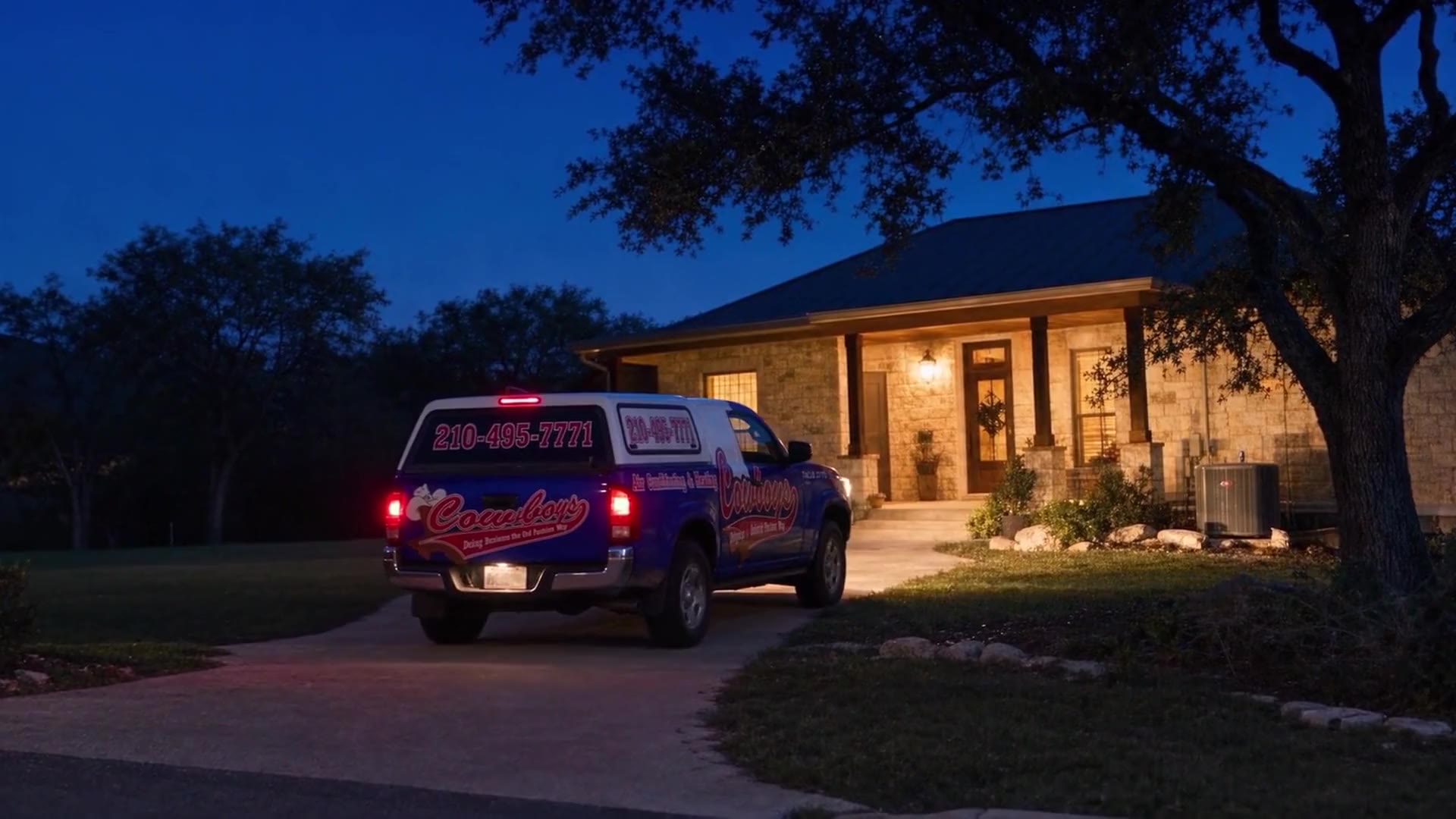
A real person answers. The price is written before the work starts. And it's our name on the truck, so you'll know it's us.
What's it doing?
Pick the closest thing. A tech reads the rest off the ticket.
 01
01
AC repair
Same-day diagnostics. Written options before we touch a part.
 02
02
New system
Load-calculated, right-sized, Trane warranty registered in your name.
 03
03
Heating
Furnaces and heat pumps, fixed before the first cold snap.
 04
04
Ductwork & air
Pressure-tested, sealed and cleaned — only where it earns it.
 05
05
Thermostats
ecobee, Trane and Honeywell, wired right and set up before we leave.
 06
06
24/7 emergency
A person answers at 2 a.m. The after-hours rate is read to you before we roll.
This is the crew that shows up.
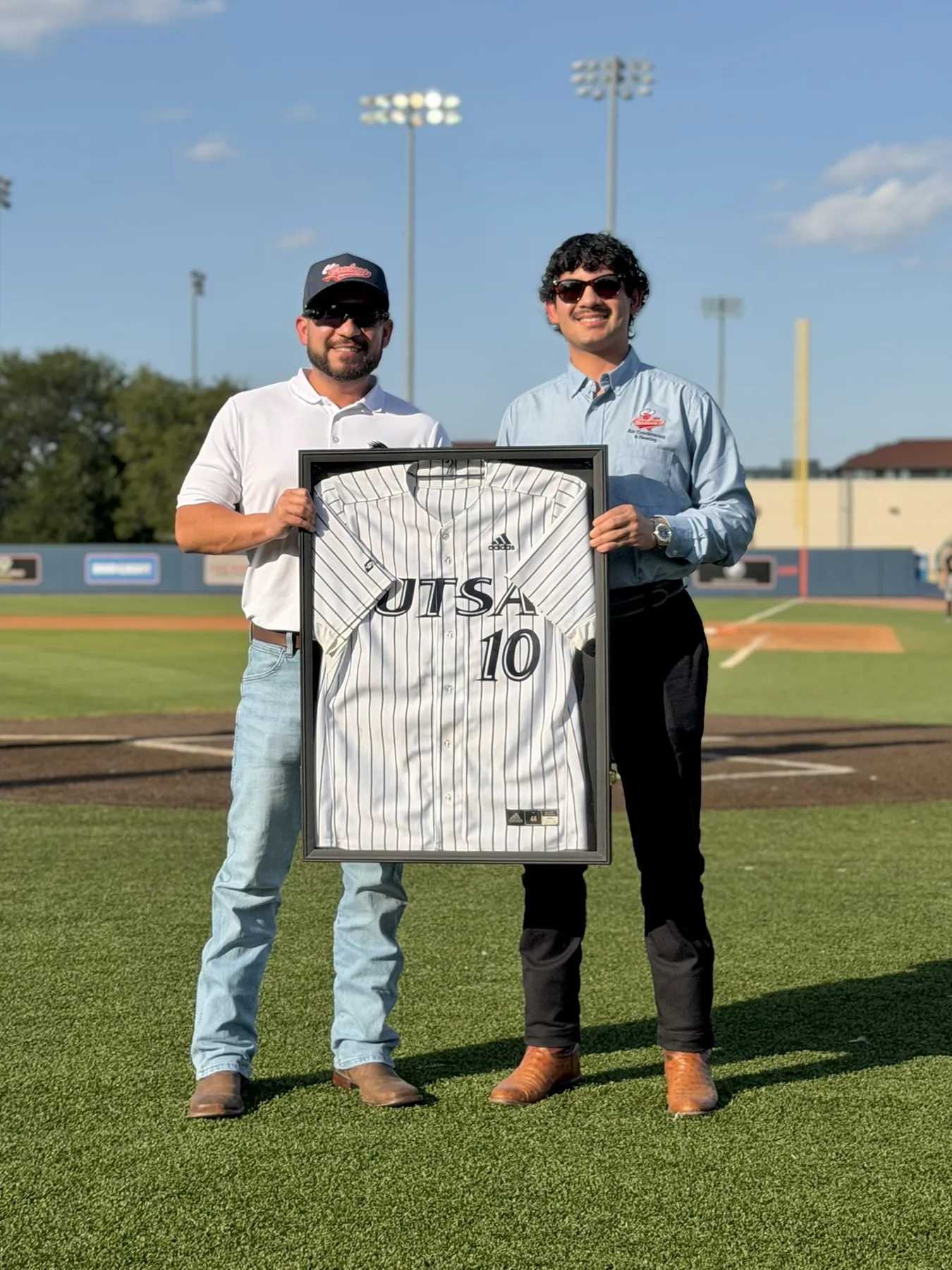
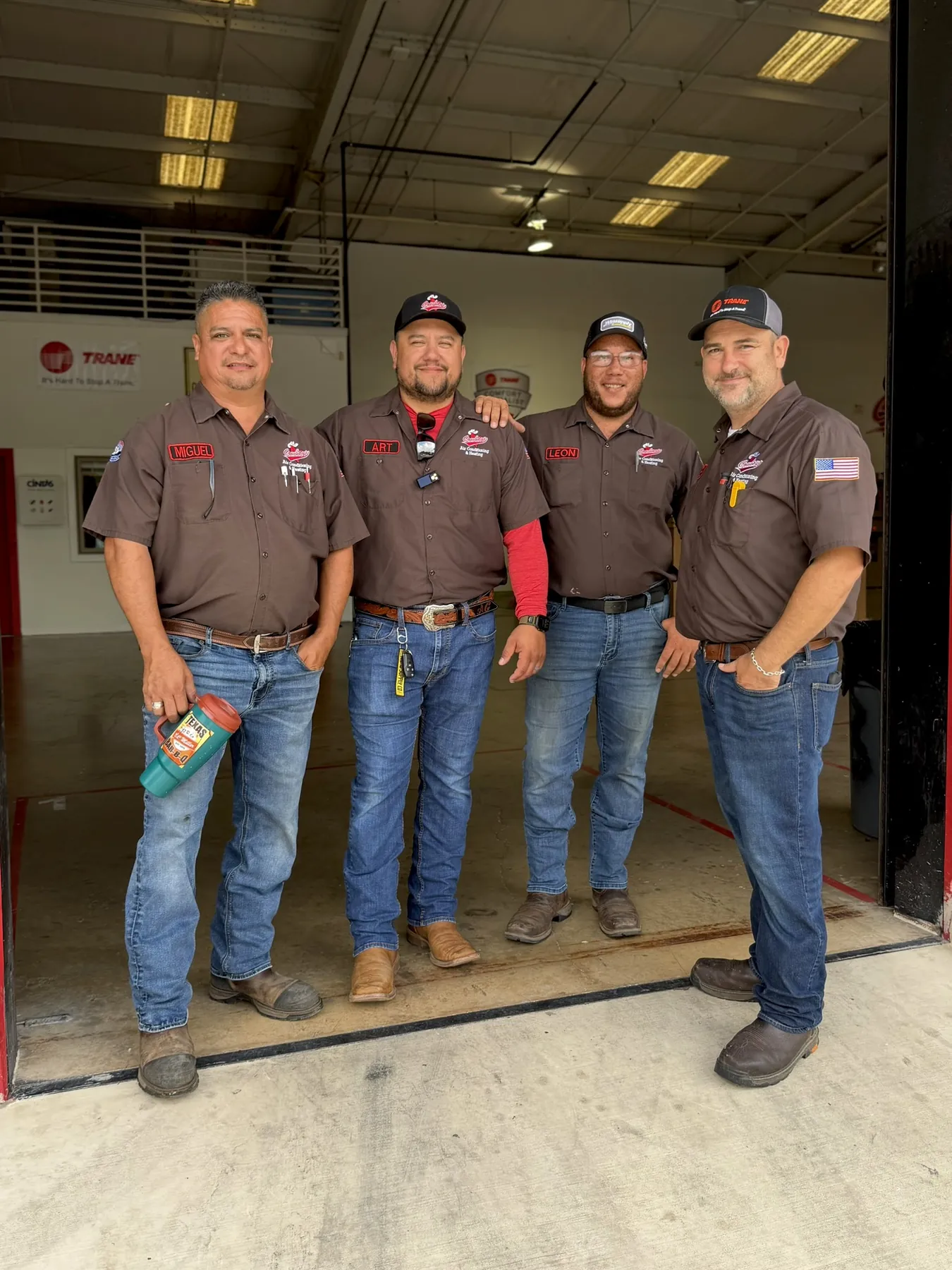
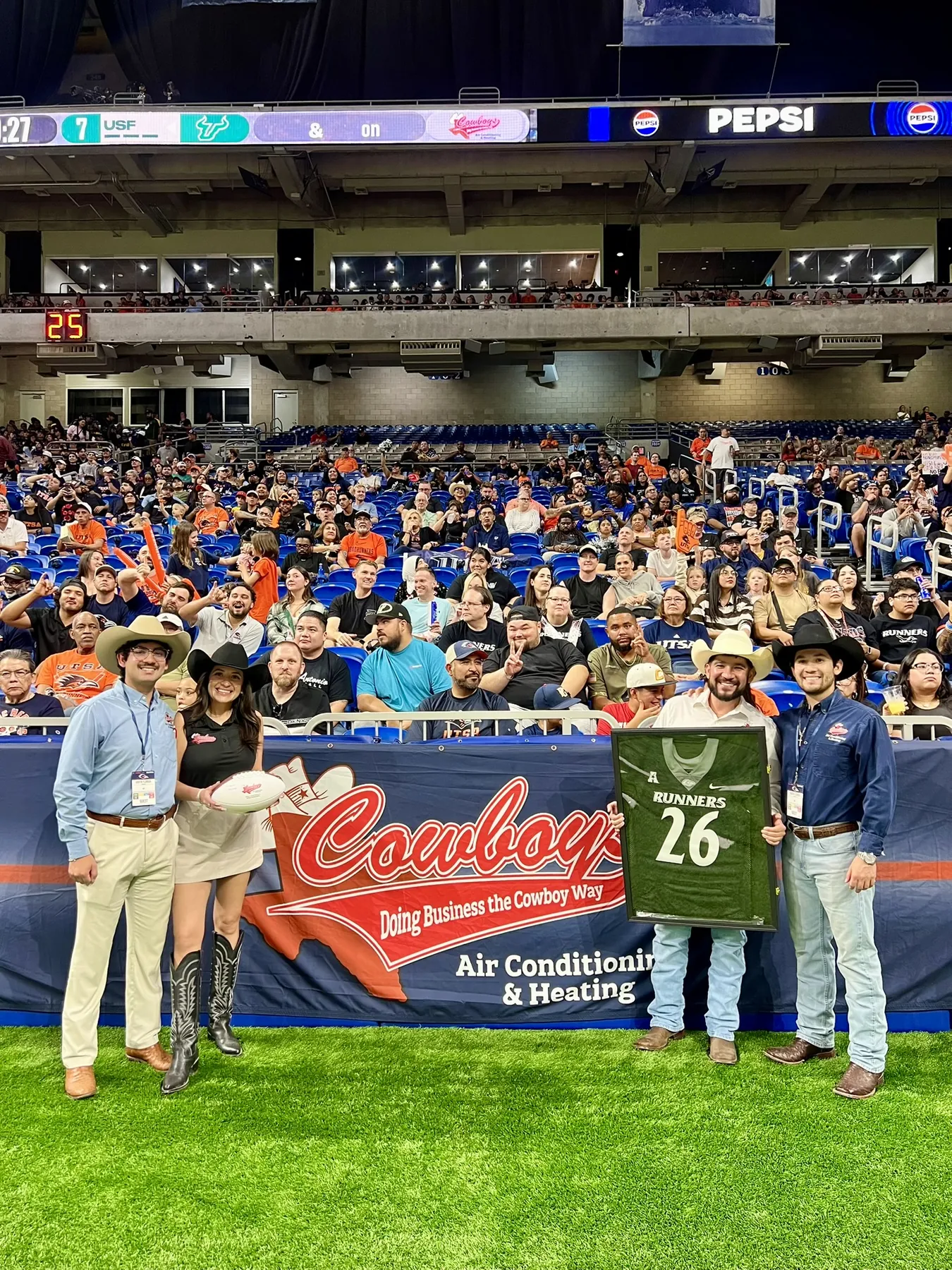
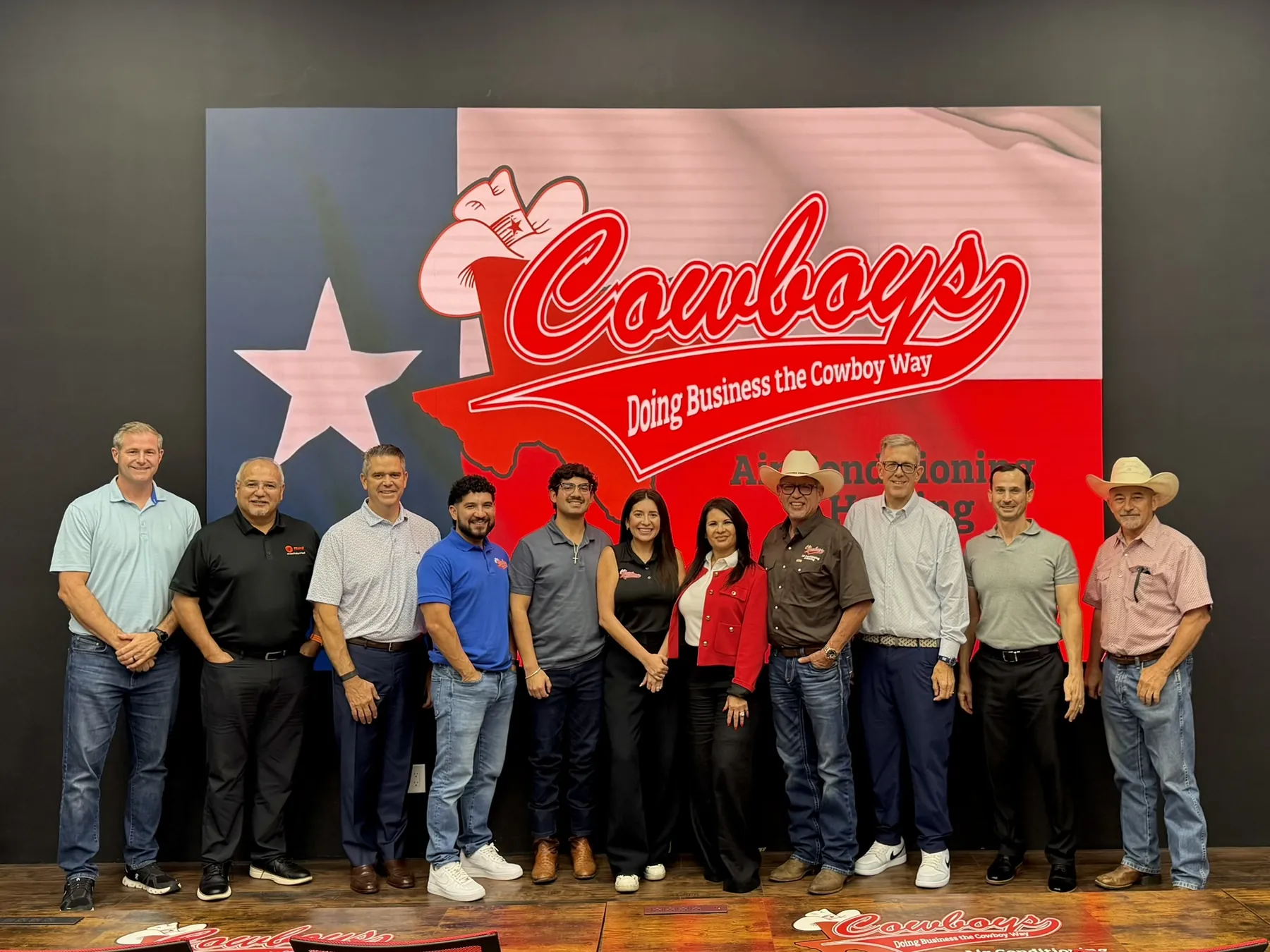
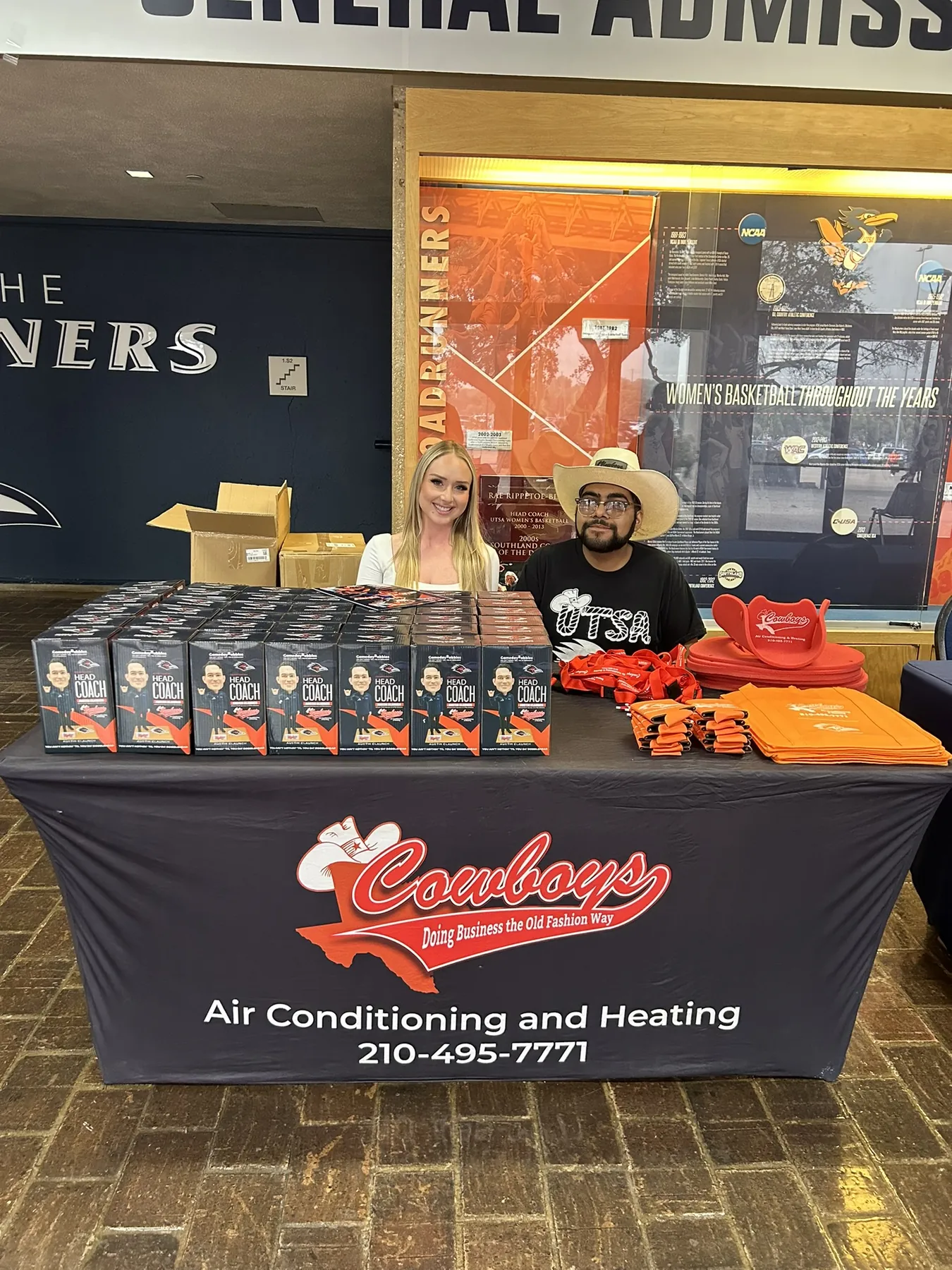
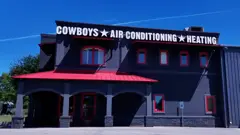
Our latest work and where we’ve shown up lately: real jobs, real crews, and the San Antonio teams we sponsor.
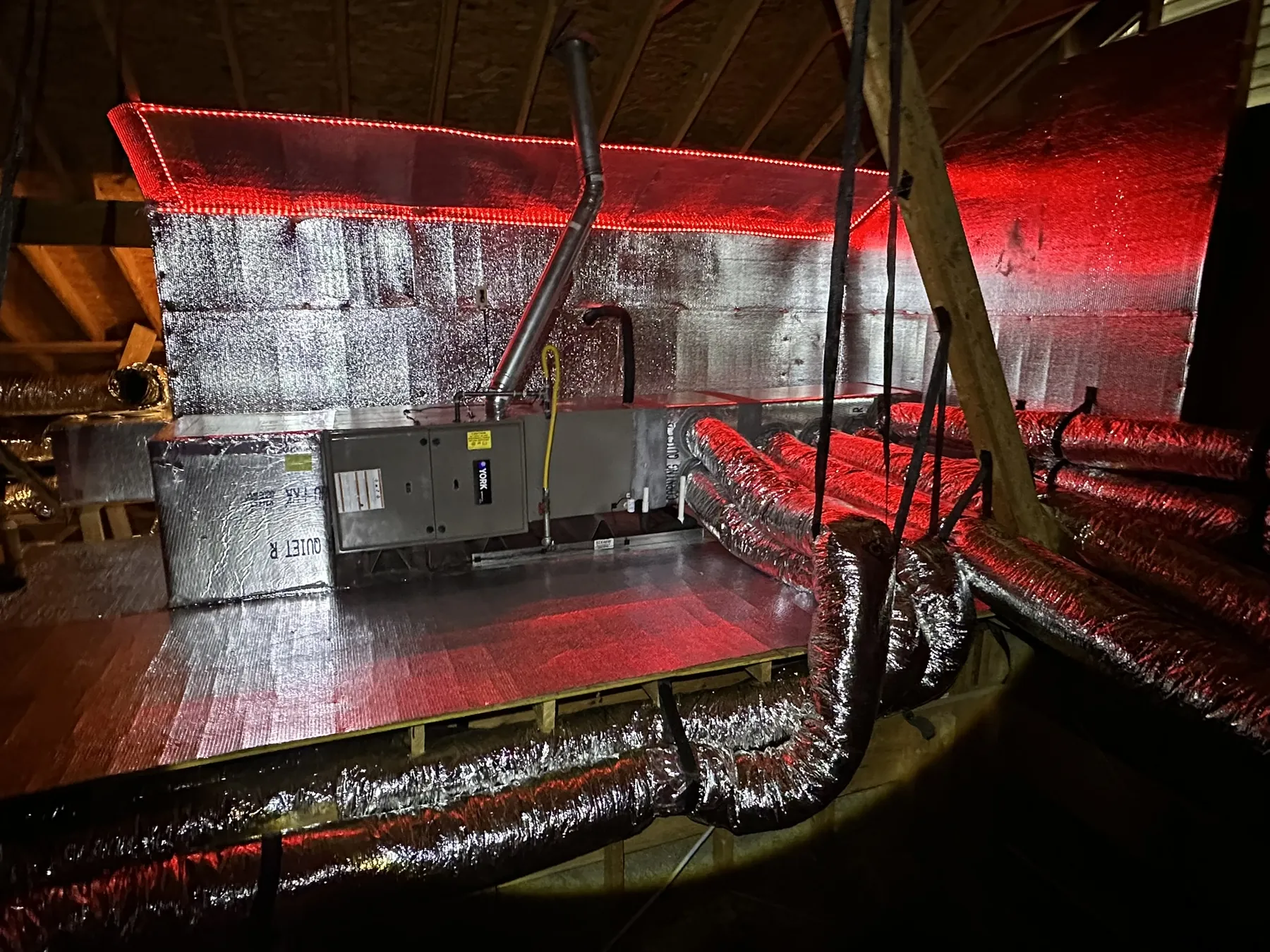

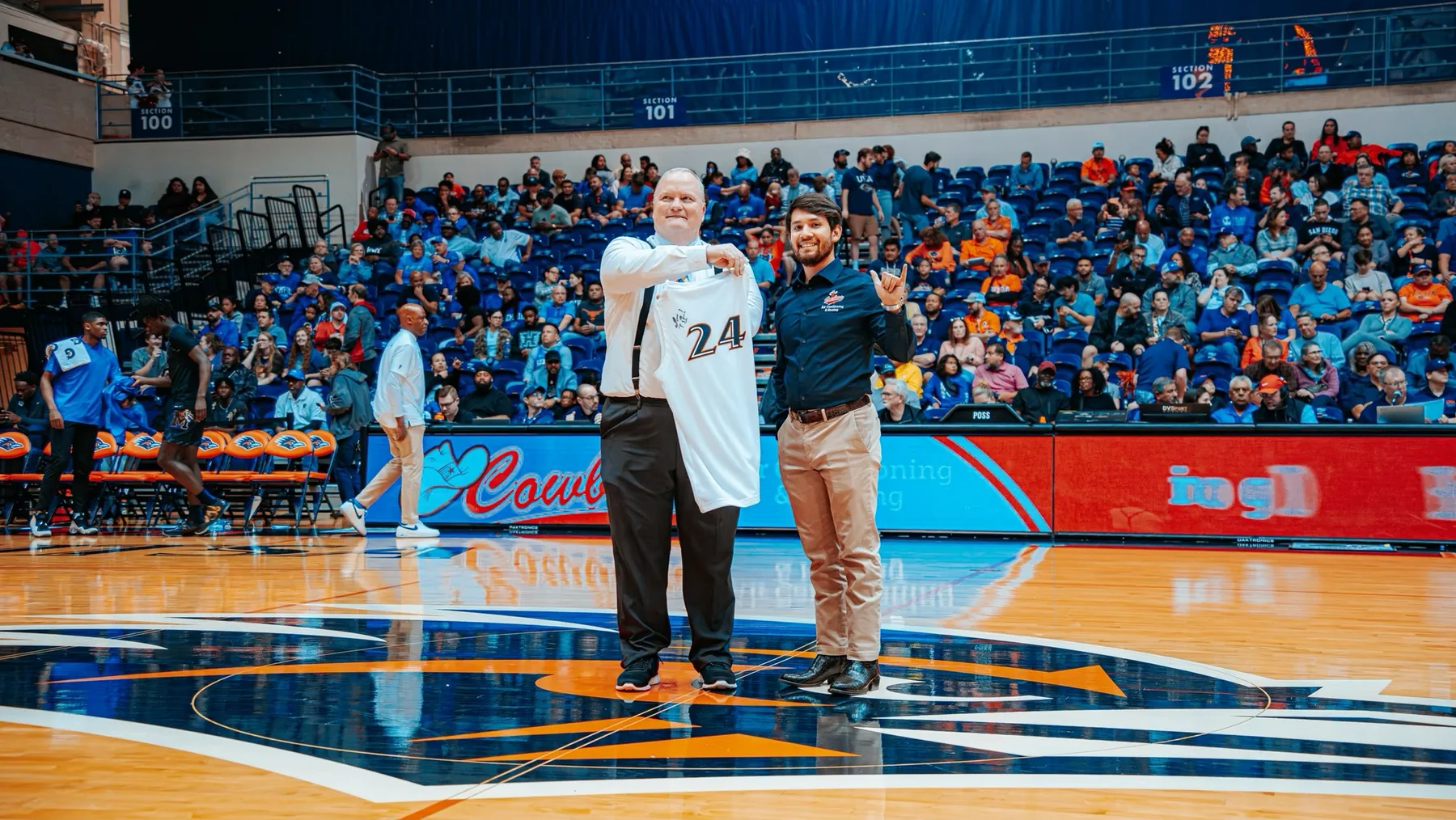
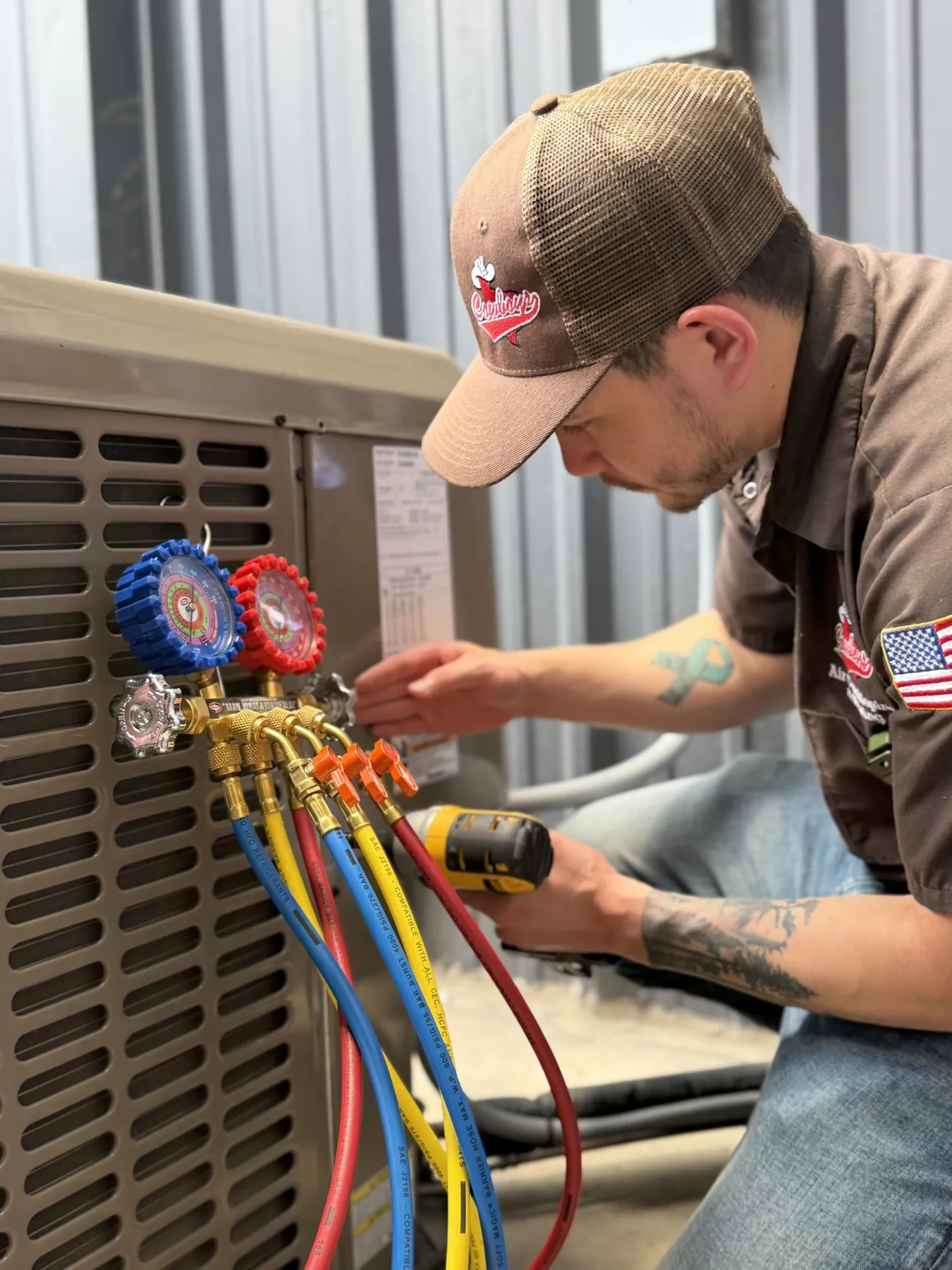


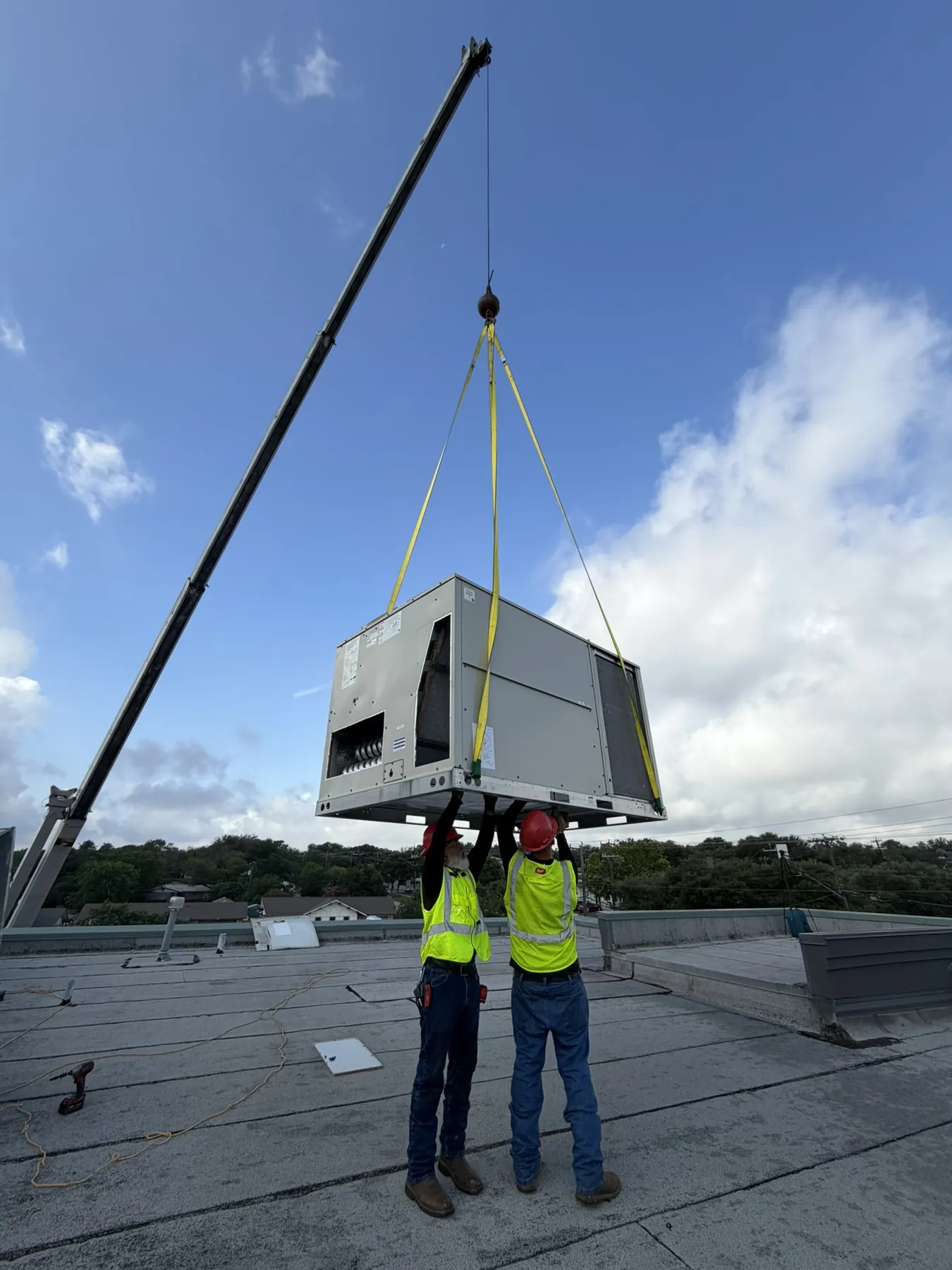
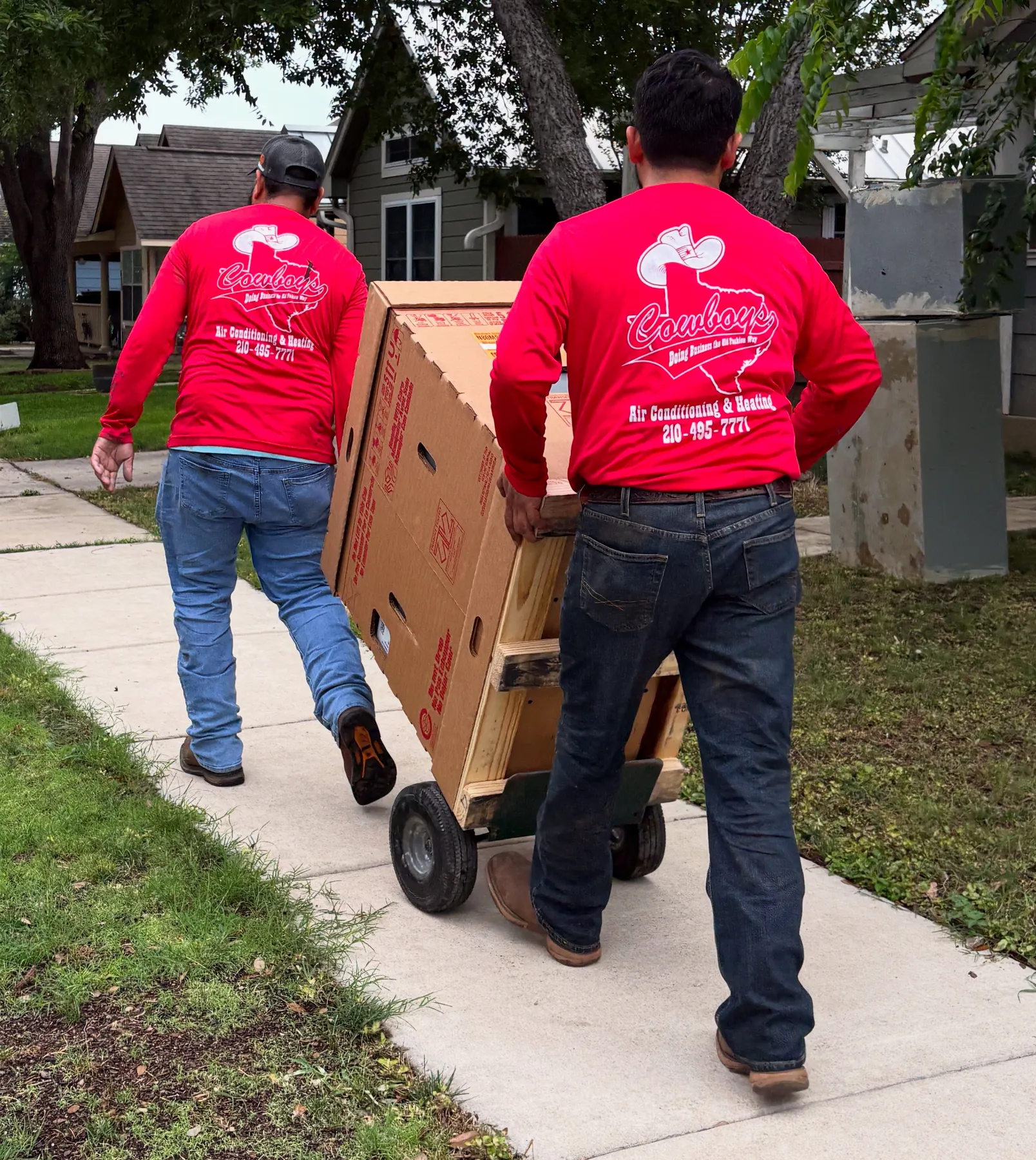
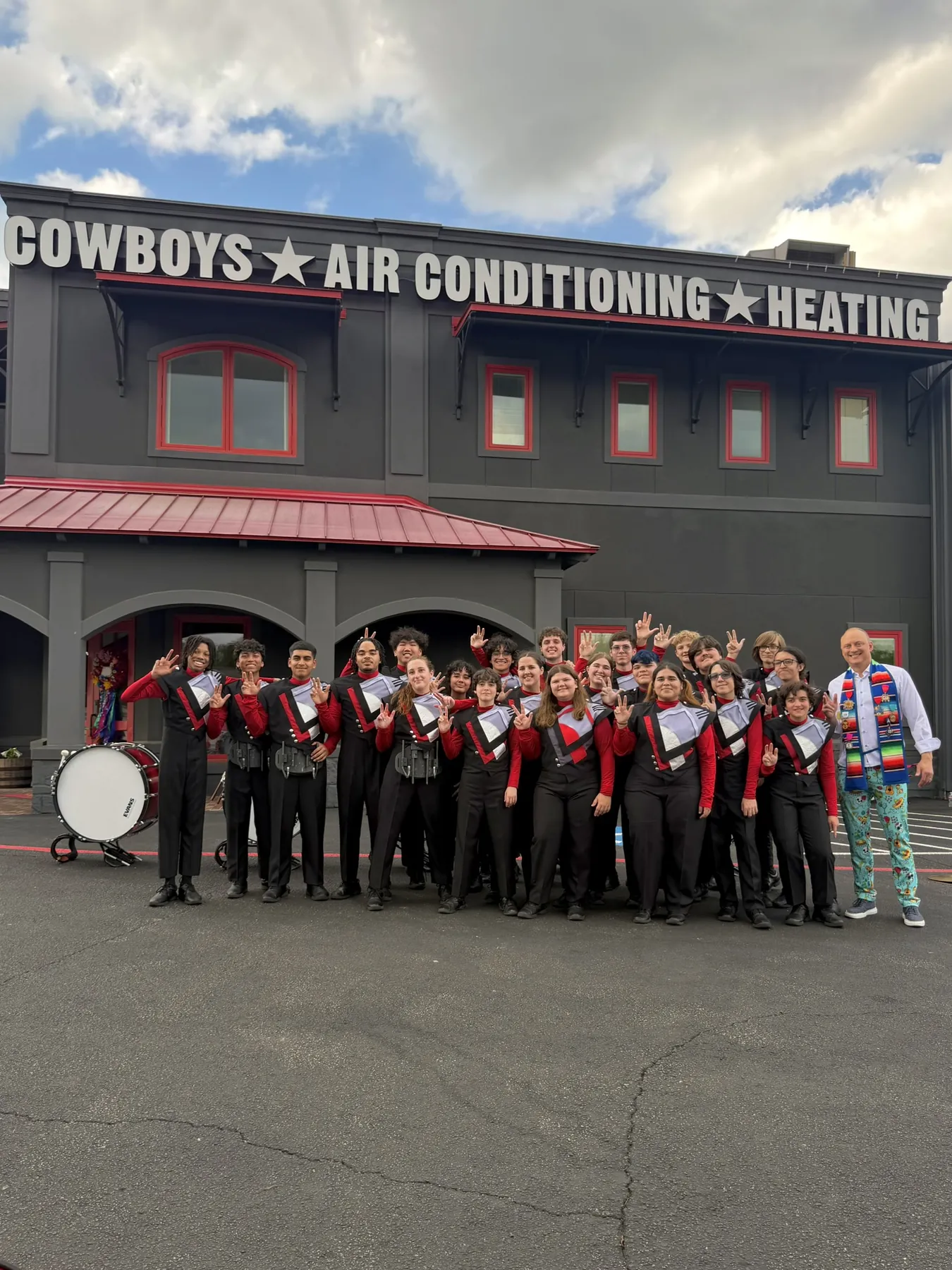
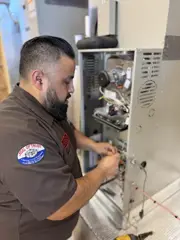
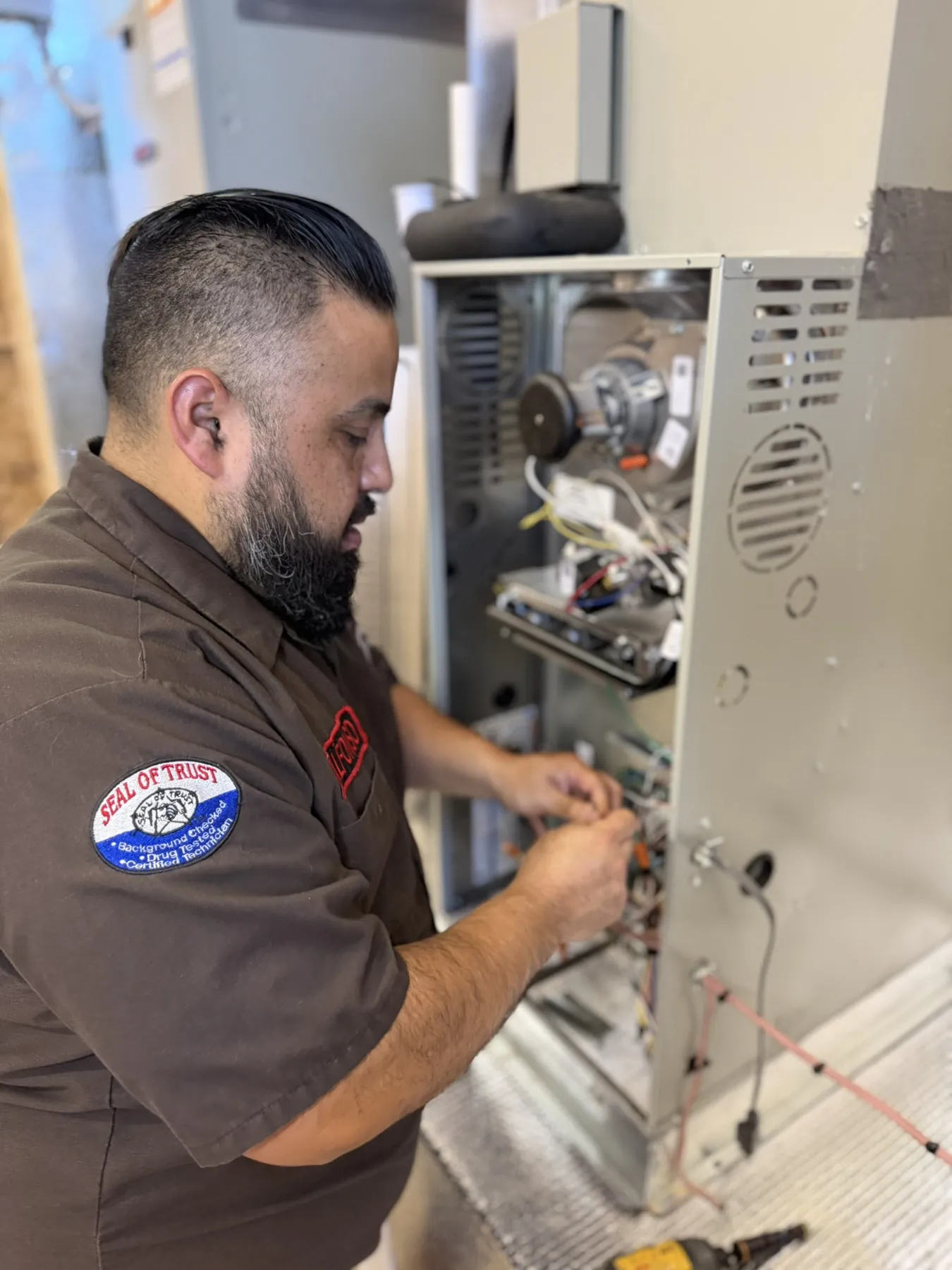
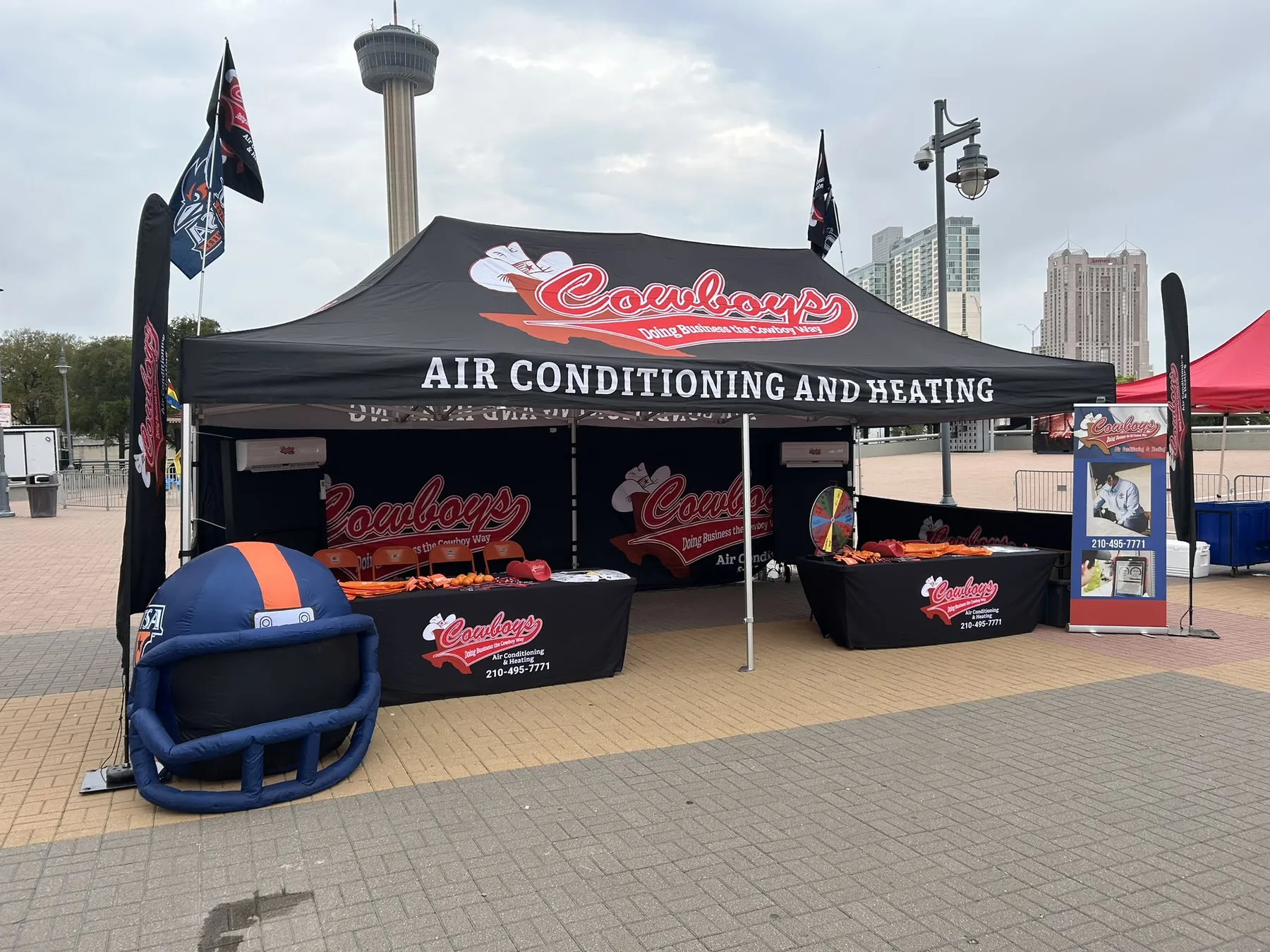
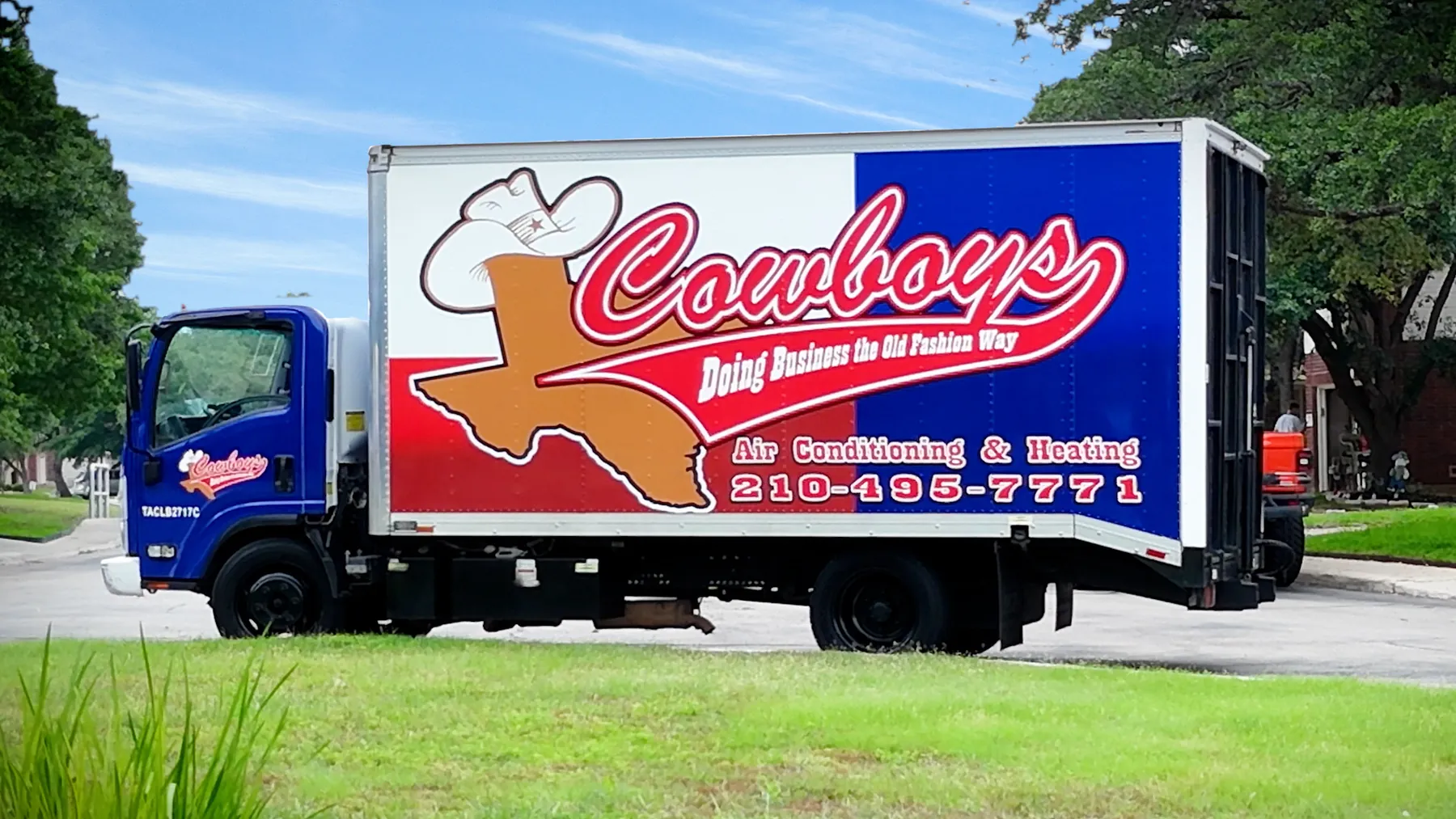


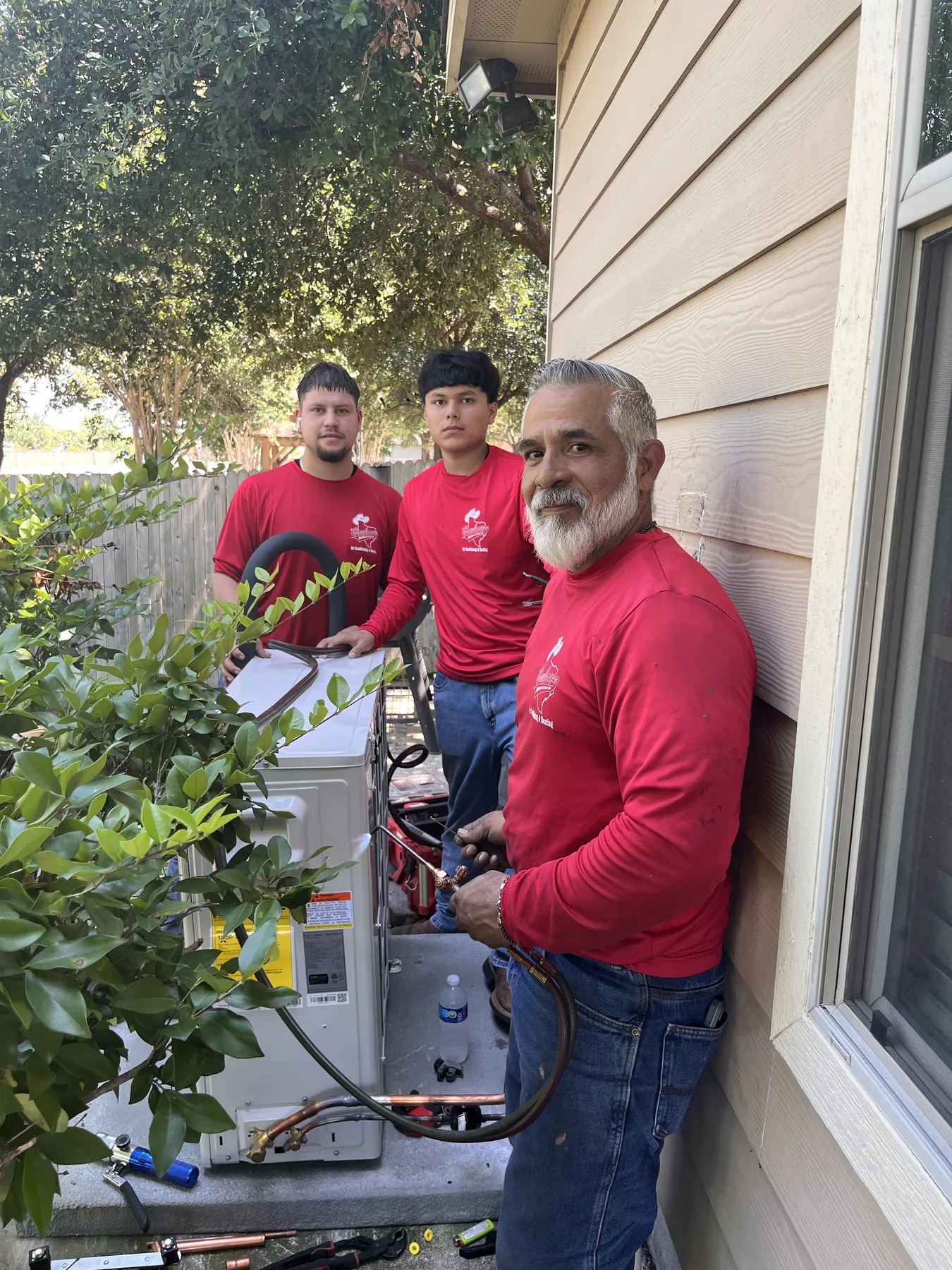

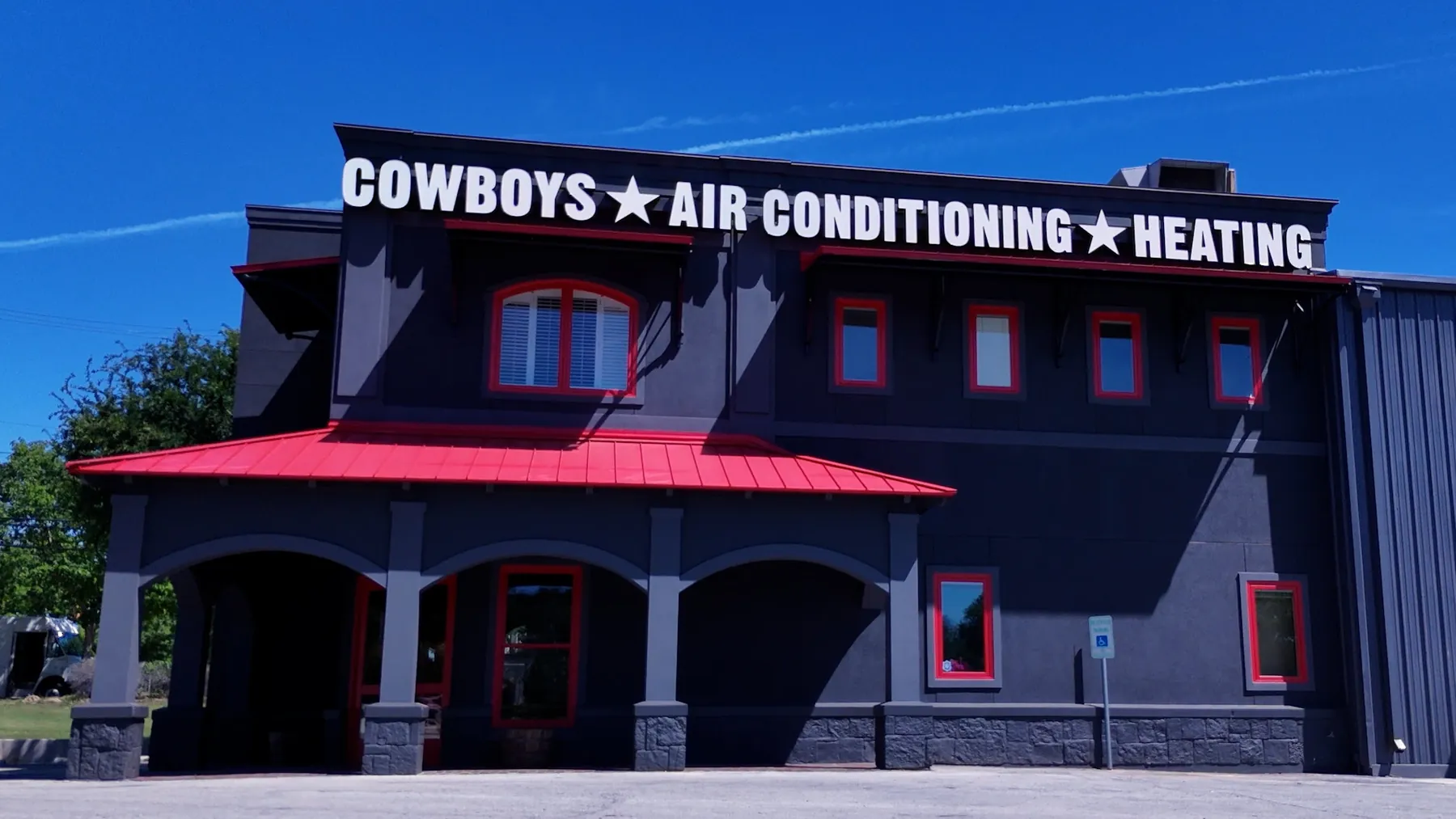
New attic system, sealed duct runs
A service call, the Cowboy way.
Four steps. Same order, every visit.
 1
1
Boot covers on before the doorbell.
A marked red truck, a tech in a red shirt, runners down and boot covers on. Nobody touches a thing until they've heard what you've noticed.
 2
2
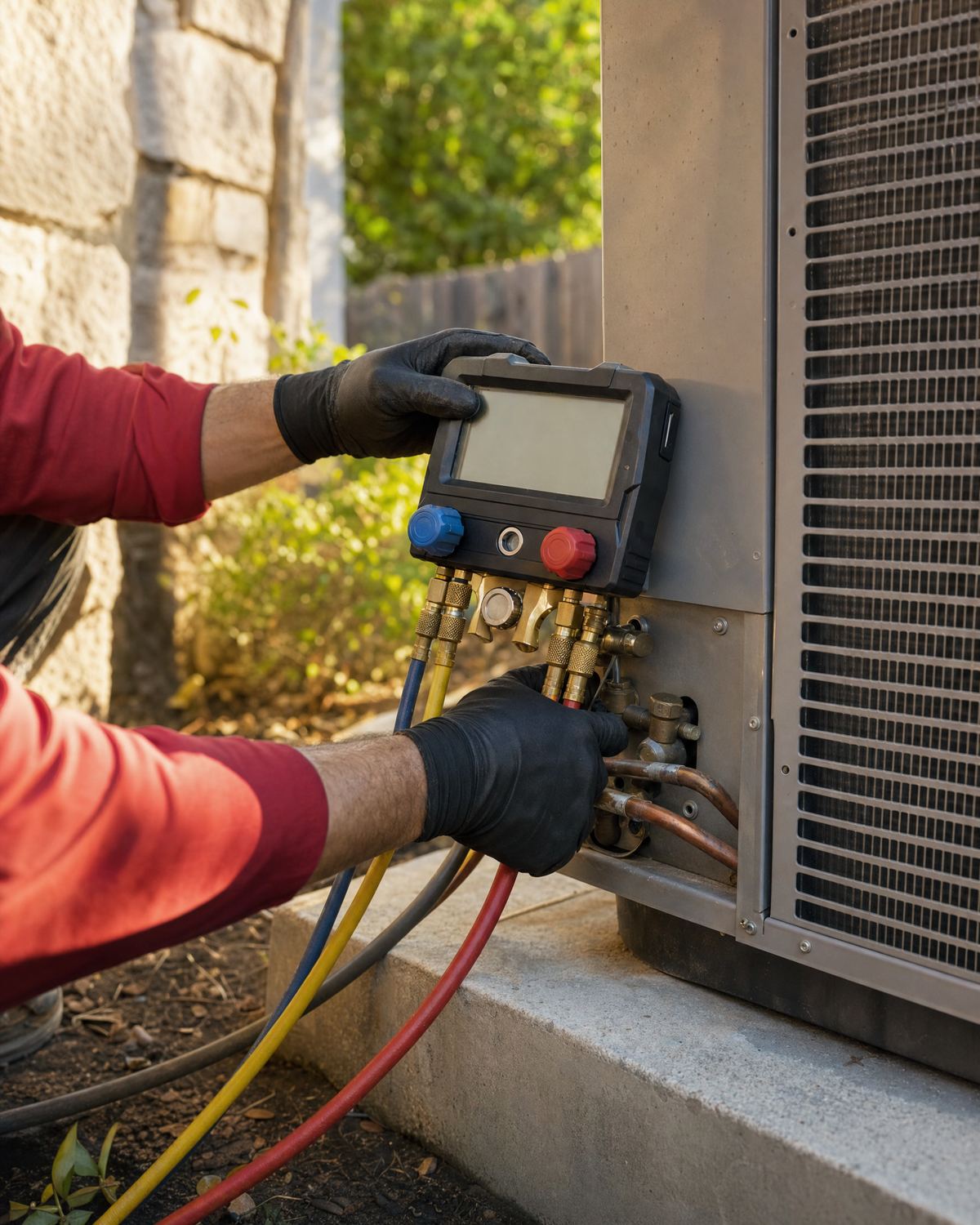
We test. We don't guess.
Static pressure, refrigerant, amp draw, coil temperatures. The readings go on the ticket so you can compare them to anyone else's.
 3
3
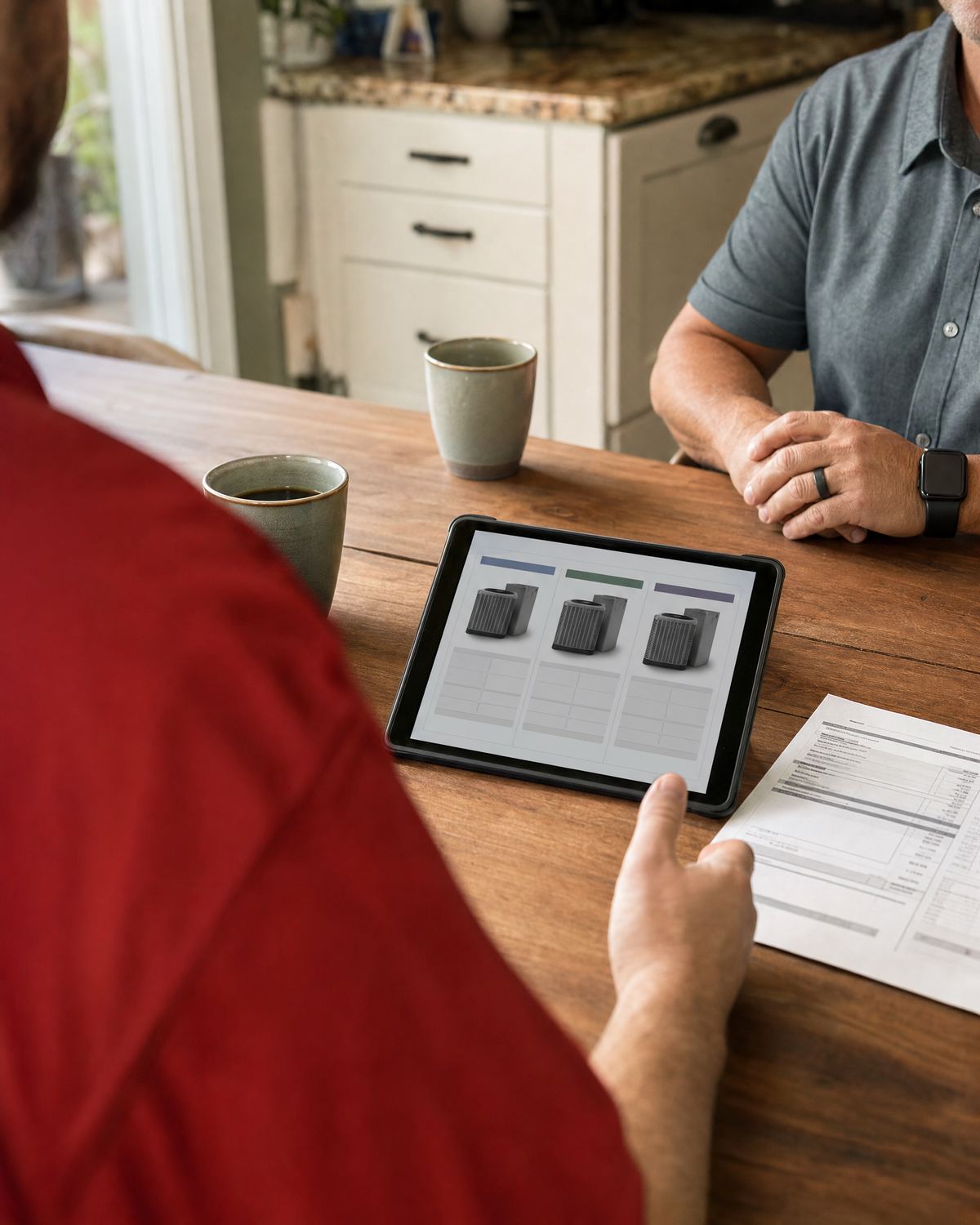
The old part, in your hand.
Nothing gets replaced you haven't seen fail. Every option goes on the tablet with a price next to it, and you pick.
 4
4
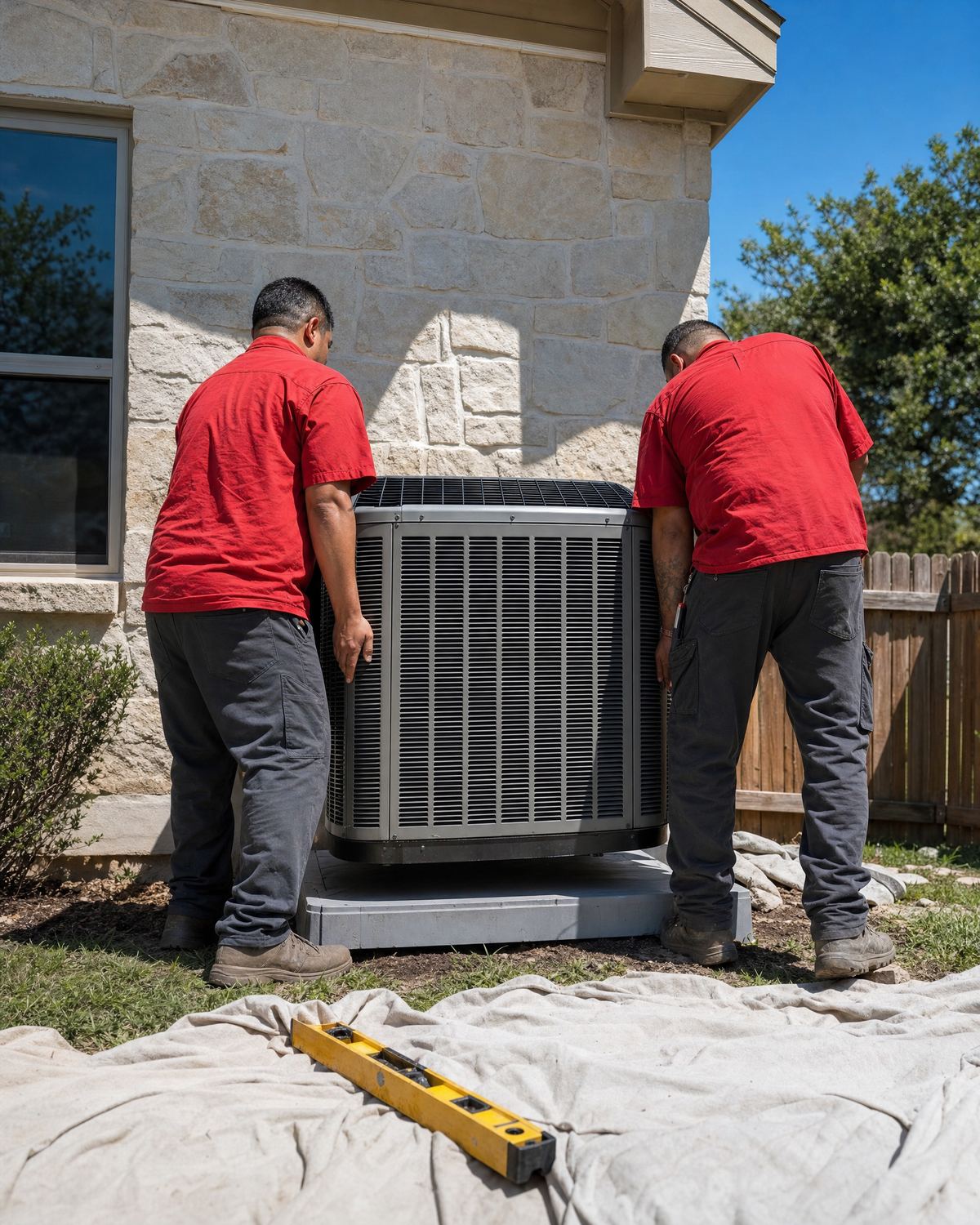
Done, cleaned up, registered.
Most repairs finish the same visit. Installs are load-calculated and right-sized, with the Trane warranty registered for you before the truck leaves.
“Had a clogged ac drain line, called Cowboys and an hour and a half later my tech, Nicholas James, arrived on a SUNDAY. Nicholas was great at explaining everything necessary and things to do to make sure the ac drain doesn’t get clogged again. Great service and response time!”
“Josh was cordial, knowledgeable, a true professional and didn’t attempt to upsell us on anything. We have decided to get a new unit and will be talking to a salesman on Monday. The capacitor was bad!”
“Jorge and. Ivan, with Cowboys AC, Did a fantastic job installing my new 2.5 ton HVAC system in 1 day, very clean work area, and quiet tech service , while everyone was at home! Great organization and Service ty ☆”
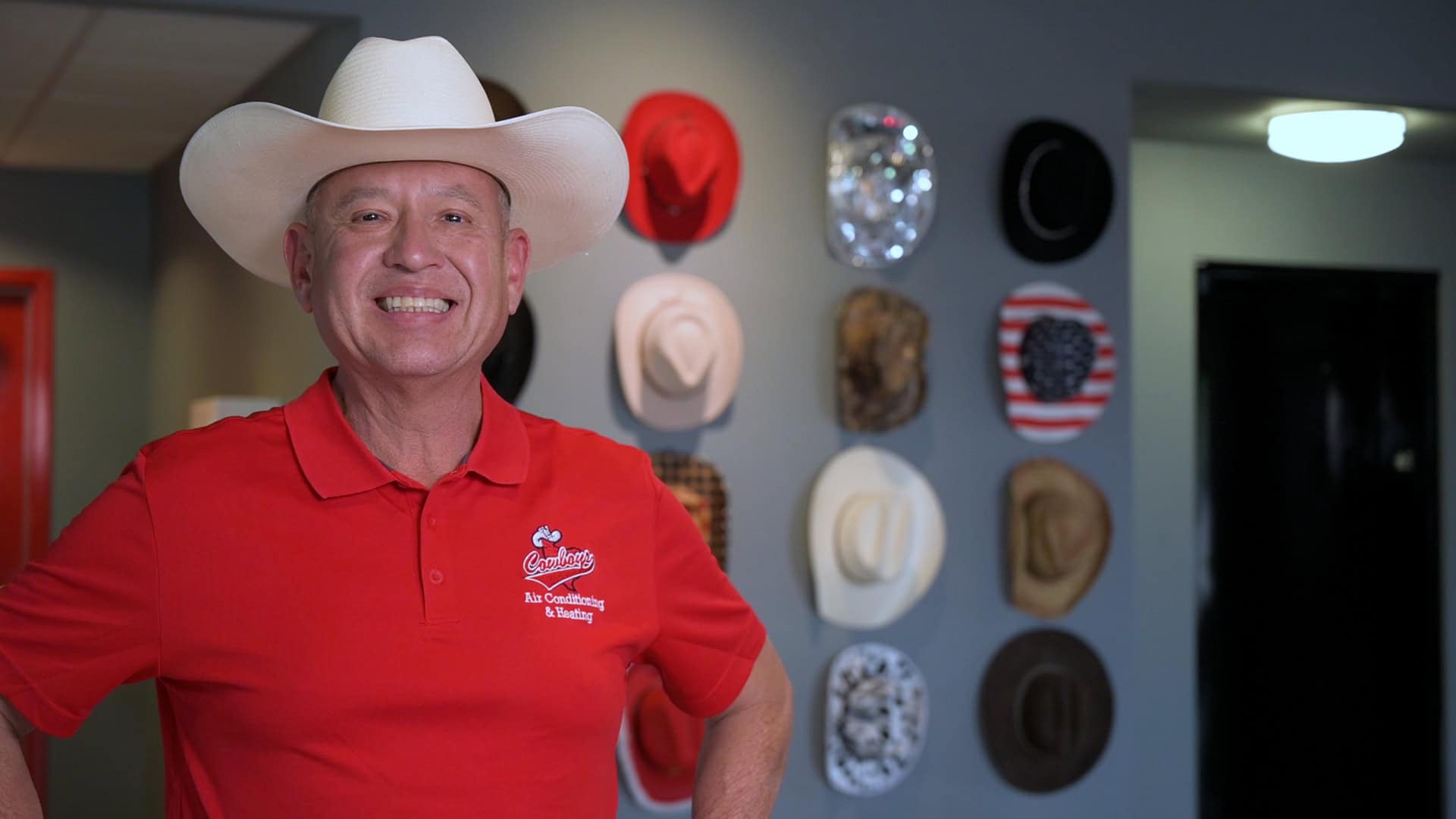
Started in 2007. It's still a family name on the truck.
One shop on Blanco Road and a crew in red shirts. No call center, no franchise — the people in the photo are the people who come to your house.
Everything Trane, in one place.
Official Trane pages and videos open on trane.com and YouTube

Two tune-ups a year. No surprises in August.
- ★Two seasonal tune-ups per year
- ★Priority dispatch in August
- ★No after-hours premium
- ★Filter reminders and a real human on the phone
Got a big quote from somebody else? Let a Cowboy look. Free.
Before you sign for a compressor, a coil or a whole new system, we test it ourselves and put our own price in writing. No charge, no pressure — and if the first quote was right, we say so.
Where the red trucks run.
Bexar County and the Hill Country, dispatched from one shop on Blanco Road.
Tell us what it's doing.
This lands on the dispatch board on Blanco Road, not in a call center. If it's an emergency, skip the form — someone picks up.
(210) 495-7771Answered 24/7 · 365 · TACLB27173C